Early Bird Discount: 10% off when booking 6+ months in advance (from €3590 per person)
Most journeys to India merely show you monuments, but this expedition pulls you deep into the living traditions that make these ancient spaces breathe. We begin in Delhi before traveling into Rajasthan, where the Pushkar Camel Fair transforms a quiet pilgrimage town into a sprawling carnival of dust, devotion, and electrifying color. From there, we capture the stark white expanses and flamingos of Sambhar Salt Lake, followed by pre-dawn architectural shoots in Jaipur's Pink City & Amber Fort.
Flying east to Varanasi, we arrive for Dev Deepawali, a breathtaking spectacle where over a million oil lamps illuminate the Ganges. The journey culminates in Agra with a sunrise shoot at the Taj Mahal. With a strict maximum of six participants and two expert mentors, this route is meticulously designed around the best light and exclusive access to help you craft profound visual stories.
Two Festivals. One Ancient Road.
We begin in Delhi, a metropolis that immediately overwhelms the senses with noise, immense scale, vivid color, and constant motion. The morning belongs to Old Delhi, where the historic Chandni Chowk is at its most alive. Street kitchens roar to life, wholesale merchants navigate narrow lanes with impossible loads, and the ancient havelis of Shahjahanabad reward those willing to explore unmarked alleys. In the afternoon, the visual narrative shifts completely at Humayun's Tomb, the magnificent architectural ancestor of the Taj Mahal. Here, precise geometry and expansive gardens create a serene space, while the late afternoon sun turns the red sandstone warm and luminous. We conclude the day in Connaught Place before returning to our hotel for the first group briefing.

Leaving Delhi early, we traverse the agricultural plains of Haryana toward Rajasthan. As we drive, the landscape transforms: colors warm, architecture shifts, and the air turns distinctly drier. We will make strategic stops for photography and refreshments along the way. By late afternoon, the white domes of Pushkar's temples emerge above the desert haze. The Pushkar Mela is already alive with energy, as traders and pilgrims have been gathering for days. Camel camps stretch across the sand, and as the sun dips, cooking fires begin to pierce the dusk. Our evening is dedicated to orientation and an initial, atmospheric shooting session right on the fairgrounds.

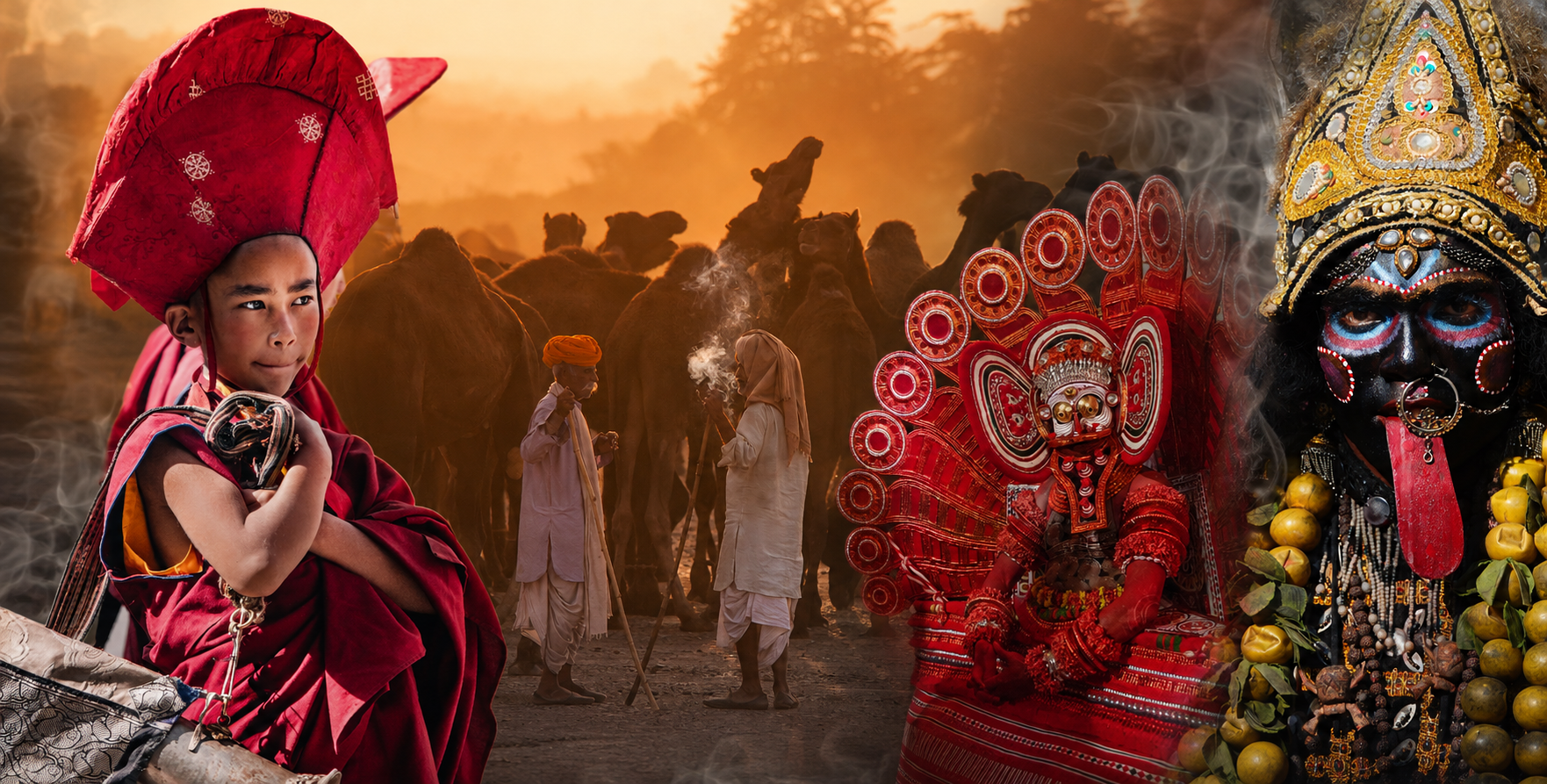
We dedicate a full day to the Mela, letting the shifting light dictate our schedule. At sunrise, backlit camels, turbaned traders, and the smoke rising from hundreds of campfires create one of Rajasthan's most cinematic environments. Livestock trading, vibrant fairground events, and devoted pilgrims at Pushkar's sacred lake offer a multitude of distinct photographic narratives, all within walking distance of one another. After spending the morning deep inside the fairgrounds, our afternoon shifts focus to environmental portraits, capturing candid moments and the remarkable, weathered faces of Rajasthan until the last light fades.

Departing Pushkar early, we journey to Sambhar Lake on our way to Jaipur. India's largest inland salt lake is one of Rajasthan's least-visited photographic treasures, flat, white, and almost otherworldly. Here, flamingos wade through shallow waters while salt workers navigate the geometric pans and narrow tracks. This is where we deploy the group drone. From the air, the salt fields transform into a mesmerizing abstract study of lines, textures, and shifting colors. Every participant gets hands-on flight time, while ground-level sessions focus on the immense landscape, the birds, and the human element. By afternoon, we arrive in Jaipur, settling into the Pink City for a deliberate and welcome change of pace.

The alarm rings before 5:00 AM, ensuring we capture Jaipur's iconic locations before the city awakens. At Patrika Gate, the first rays of light illuminate the intricately painted archways while the corridors remain beautifully empty. The perfect symmetry and intense colors allow the group to work slowly and deliberately, far from the crowds. We then move to Panna Meena Ka Kund, a stunning 16th-century stepwell where staircases descend in precise, dizzying geometric patterns. The remainder of the day is spent exploring the City Palace and the labyrinthine lanes of the old city, where pink facades, bustling markets, artisan workshops, and daily life offer endless photographic rhythms around every corner.

Following breakfast, we transfer to the Jaipur airport for our flight to Varanasi. By afternoon, we arrive at the edge of India's holiest river. As the oldest continuously inhabited city on earth, Varanasi offers an unparalleled density of ritual and intensity that no previous travel experience can fully prepare you for. After checking in, we head straight to the ghats. At dusk, priests perform the spectacular Ganga Aarti before thousands of devotees. With fire, smoke, relentless movement, and fervent crowds, this ancient, theatrical ceremony provides one of the most demanding and deeply rewarding photography sessions of the entire expedition.
At dawn, a boat ride on the Ganges reveals the sweeping panoramic awakening of the ghats. Bathers step into the sacred waters, yoga practitioners stretch in the morning light, and children fly kites above the ancient steps. From the water, the true scale and rhythm of the city become visible. Back on land, we navigate the galis, alleyways so narrow the buildings nearly touch overhead, revealing chai stalls, silk workshops, and hidden shrines. At midday, to escape the harsh light, we convene indoors for an intensive post processing workshop. We review our strongest images from Pushkar, Sambhar, Jaipur, and Varanasi, discussing the crucial editing decisions that elevate a simple travel photo into a compelling visual story. In the afternoon, participants can return to the ghats or opt for a visit to the nearby ruins of Sarnath.
Dev Deepawali, celebrated on the full moon of Kartik, transforms Varanasi into a realm of pure magic, surpassing even the grand scale of Diwali. By evening, more than a million oil lamps line every single ghat along the Ganges. The river's reflections blur the line between water and stone, while devotees release floating lamps and priests conduct fiery rituals amidst the heavy scent of marigolds, incense, and ghee. Taking our positions before sunset, we shoot deep into the night. This is the photographic centerpiece of the tour: sweeping illuminated landscapes, intimate moments of devotion, and dramatic long exposures across the glowing water.
For this leg of the journey, the group splits into two paths, each accompanied by a photography mentor to ensure no one travels alone.
We rise early one last time to catch the absolute first light hitting the white marble of the Taj Mahal. As dawn breaks in November, the monument transitions beautifully from cool grey to soft pink, and finally to brilliant white. Entering through the East Gate, we follow the shifting light around the mosque and reflecting pools. After a final breakfast and a quiet stroll through the manicured gardens, we journey back to Delhi, concluding the expedition at the airport or your extended hotel stay.
Photography instruction, image reviews, and practical coaching are seamlessly integrated throughout the entire expedition, highlighted by a dedicated post processing workshop on Day 7. Daily schedules remain highly fluid, allowing our small group to adapt to the best light, festival activity, and local crowd conditions.
Important Logistical Details: Festival programs, local access points, and specific timings may shift based on impromptu decisions by religious authorities or local administration. Please also note that flamingo sightings at Sambhar Lake are subject to natural and seasonal conditions. Exact railway and flight schedules for November 2027 will be finalized closer to the departure date; therefore, the itinerary may see slight adjustments to preserve the core photographic experiences wherever possible. Drone flights at Sambhar Lake are subject to local flying permissions and weather conditions on the day.
Please note that international flights and domestic connections to/from Delhi are not included. Comprehensive travel insurance is mandatory and must be arranged independently. Lunches, dinners, alcoholic beverages, personal expenses, and gratuities are also excluded from the package.
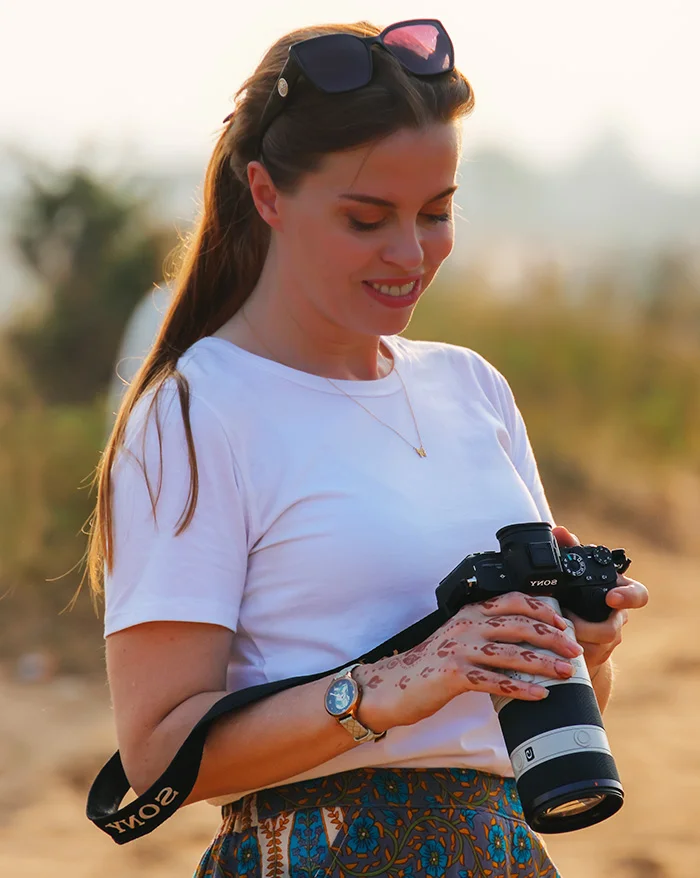
Runa is an award-winning photographer, masterful storyteller, and the co-founder and creative head of Beyond Taj. Over the past 17 years, she has traveled extensively across India, Sri Lanka, Nepal, and Indochina. She has documented the Pushkar Camel Fair every year since 2018 and has returned to Varanasi, Jaipur, and Sambhar Lake countless times. Her photographic focus remains firmly on cultural depth, authentic storytelling, and fostering highly respectful local encounters.
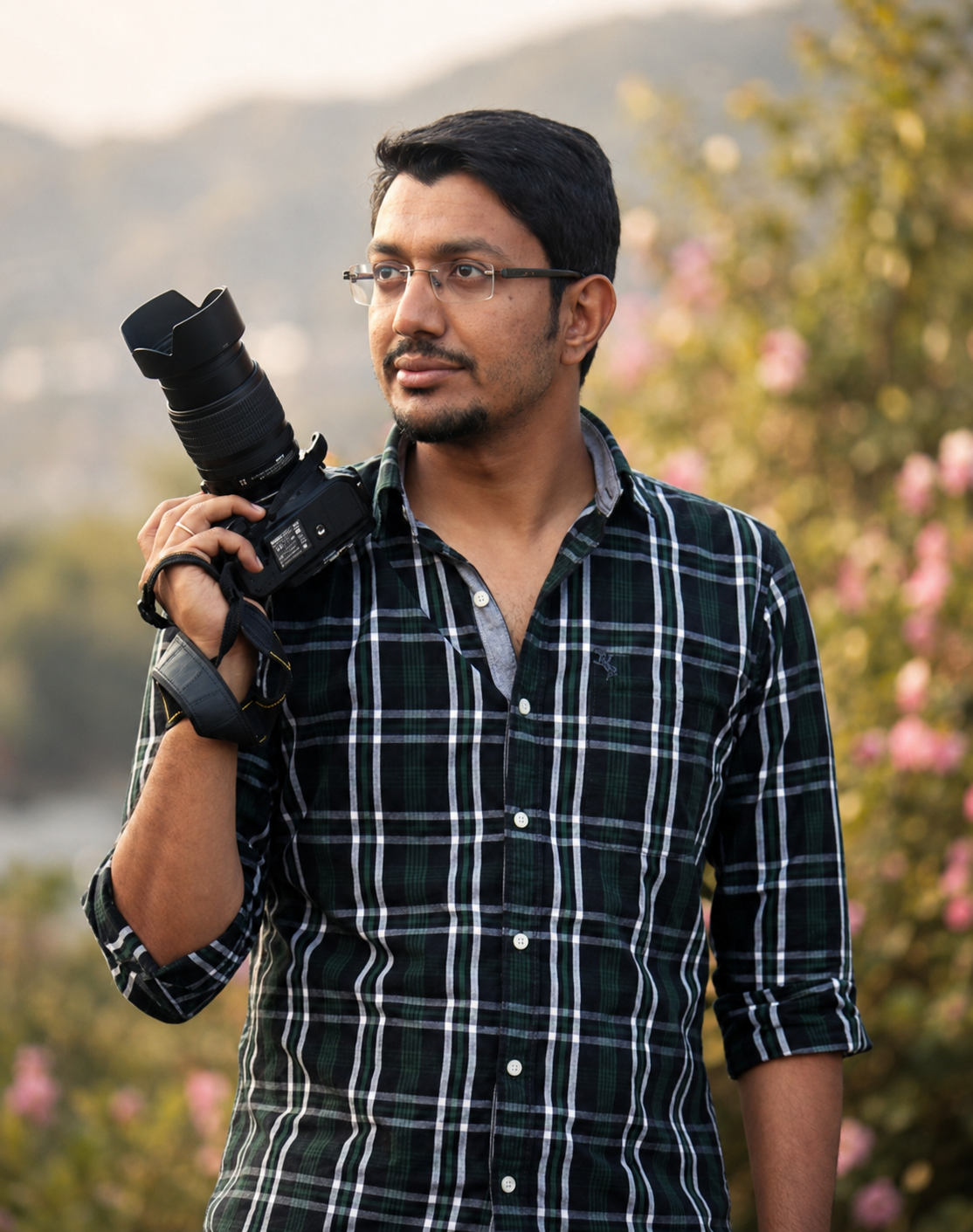
Dr. Vipin Yadav is a wildlife and festival photographer with a Ph.D. in Zoology and the founder of Jaipur-based Panthera Trails. Years of field research on Rajasthan’s carnivores taught him to read behaviour a few seconds before it turns into a picture, a habit that works as well in a festival crowd as at a leopard sighting. A native speaker who knows how these celebrations run, he gets the group close without anyone feeling crowded, and he teaches you to photograph a ritual without getting in its way.