Every Aurum, millions descend on Kolkata for Durga Puja's spectacular pandals - elaborate structures competing for the most innovative designs, the biggest crowds, the most Instagram-worthy installations. But 300 kilometers west, in the tribal villages of Purulia district, a different kind of celebration unfolds. One that most travelers never see.
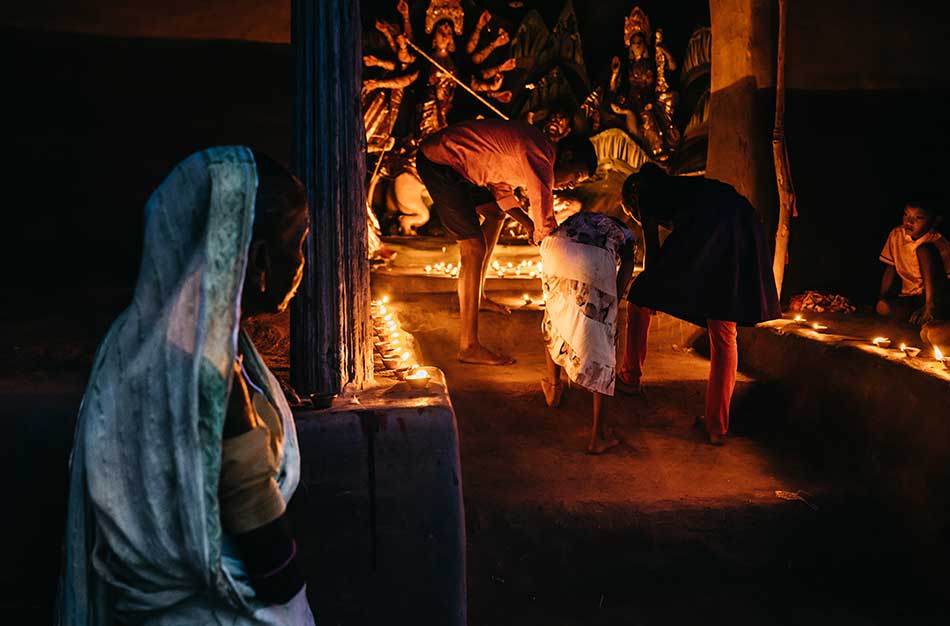
Here, Durga Puja isn't about competition or crowds. It's villages preparing for the goddess's arrival with handmade idols, oil lamps flickering against the rural darkness, and communities gathering in ways that feel refreshingly unhurried. The Santhal tribes blend their traditions with Hindu rituals, creating something that exists nowhere else in West Bengal.
For photographers seeking authentic India - the kind that doesn't come pre-packaged for tourism - Purulia during Durga Puja is a “must”.
Why Purulia Matters
West Bengal's tourism narrative typically revolves around three things: Darjeeling's tea estates, the Sundarbans' mangrove forests, and Kolkata's colonial architecture. What's consistently missing? The entire western plateau where tribal culture and rural traditions haven't been sanitized for visitors.
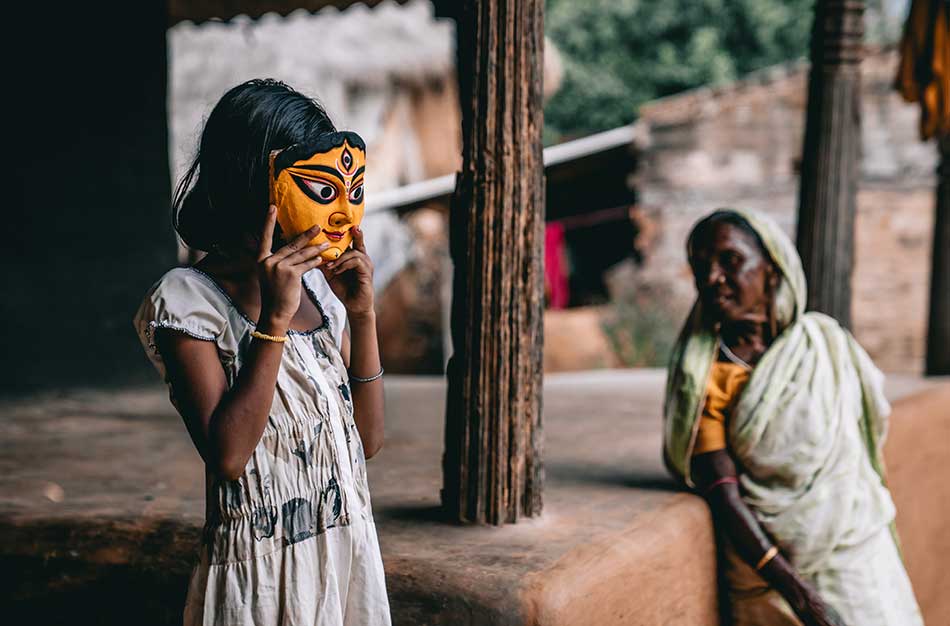
Purulia sits in this overlooked corner - a district bordering Jharkhand, characterized by rolling hills, red soil, and villages that still operate on rhythms older than India's independence. During Durga Puja, Purulia's villages prepare for the festival the way they have for centuries.
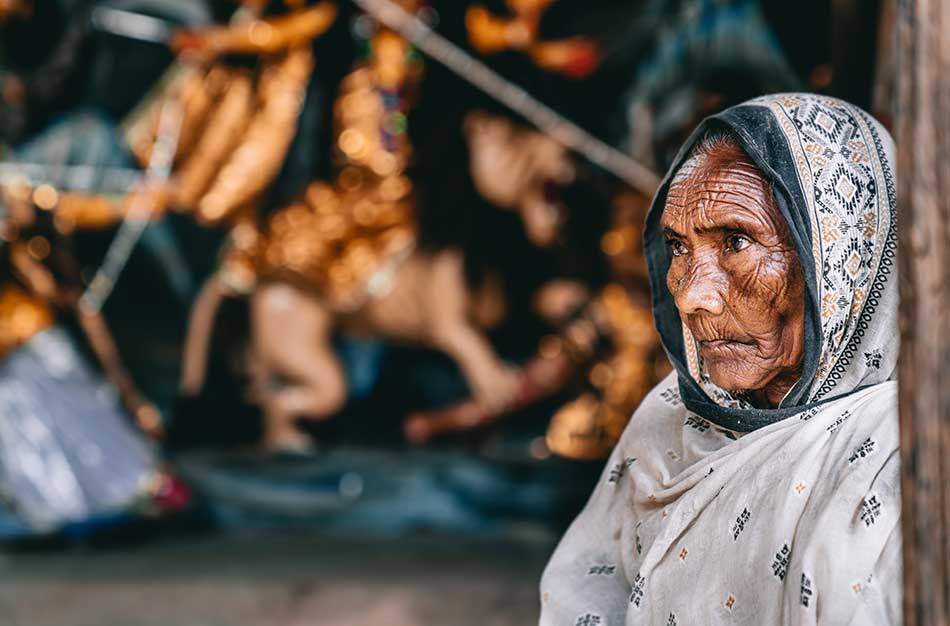
The difference is immediately visible. In Kolkata, you're navigating crowds. In Purulia's villages, you're documenting preparations that happen in small community spaces, watching artisans paint idols by hand, and capturing moments that feel genuinely participatory rather than performative.
The landscape alone makes it photographically compelling. Imagine documenting Durga Puja celebrations with lush green paddy fields and village houses built from red earth and as your backdrop. Also, the particular quality of light that only happens in rural India - unobstructed by city pollution, dramatic in ways that urban photography can never quite capture
The Experience: Behind the Scenes of Village Celebrations
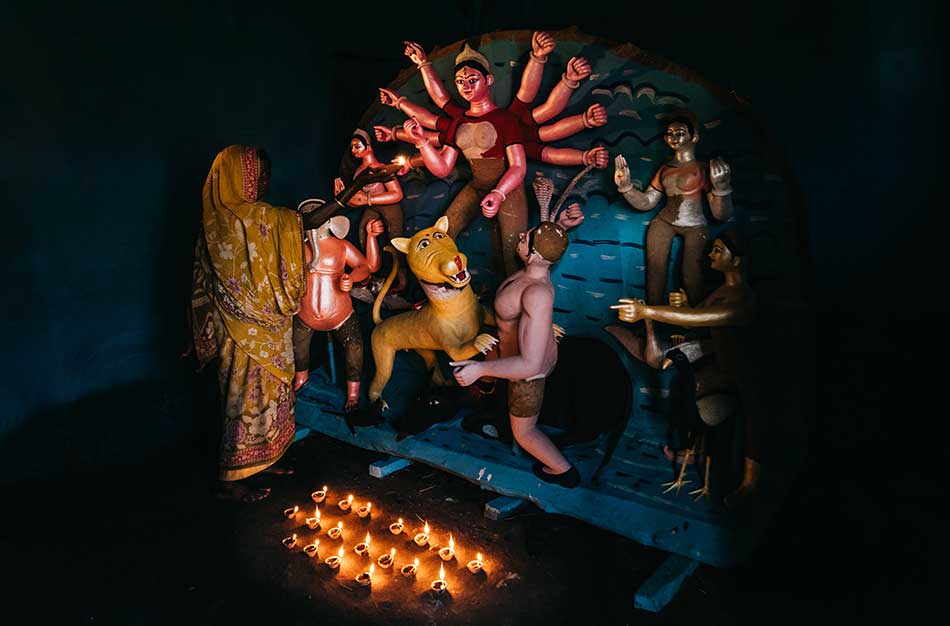
I spent time across three different villages in Purulia district during the preparation period, and each offered something distinct. In one village, I watched as community members carefully painted the Durga idol, decorated with materials sourced from the region. The artisans worked with a patience that suggested this wasn't just about meeting a deadline; this was devotion translated into brushstrokes.
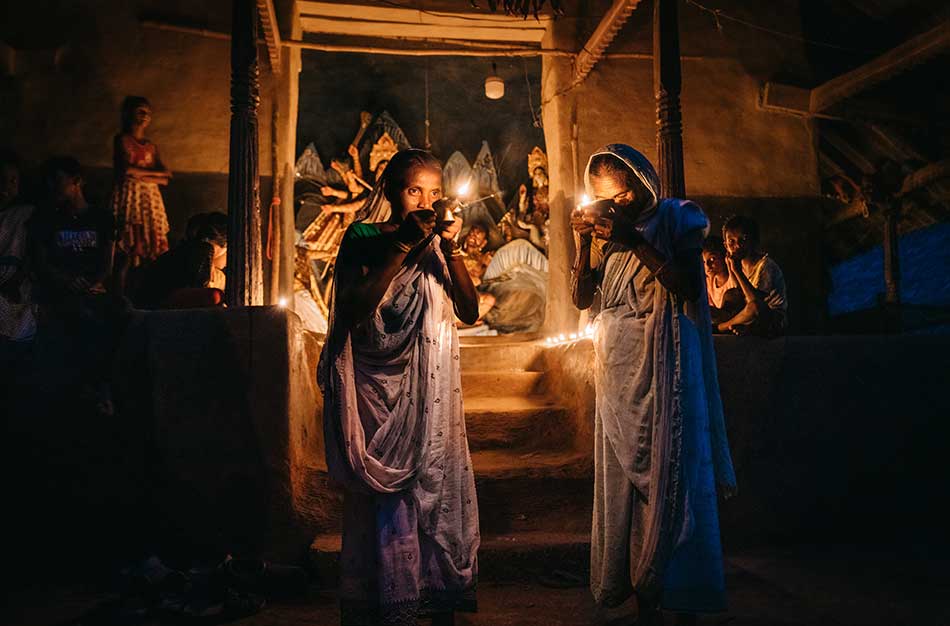
The oil lamps (diyas) that villages light during the festival create scenes that would be impossible to replicate in Kolkata's electrified pandals. As evening approaches, these small clay lamps transform village spaces into something almost theatrical - warm light against earthen walls, the glow reflecting off the faces of villagers gathering for evening prayers. For photographers working with natural and ambient light, these are the moments that make equipment decisions irrelevant. The scene simply works.
What struck me most was the intimacy of it all. These aren't public spectacles designed for outsiders. These are community celebrations that happen to be extraordinarily beautiful, and if you're fortunate enough to be welcomed in (which, in my experience, you will be), you're not observing from behind barriers or fighting for space. You're part of something genuine.
The villages themselves are scattered across landscapes that range from agricultural plains to forested hills. Getting from one to another means traveling roads that won't appear on most GPS maps, passing through scenery that reminds you why rural India remains one of the world's most photographically rich regions - if you know where to look
Photography Opportunities: What Makes Purulia Different
For travel photographers and documentarians, Purulia during Durga Puja offers something increasingly rare: access to authentic cultural moments without the tourist infrastructure that typically accompanies them.
The Preparation Phase
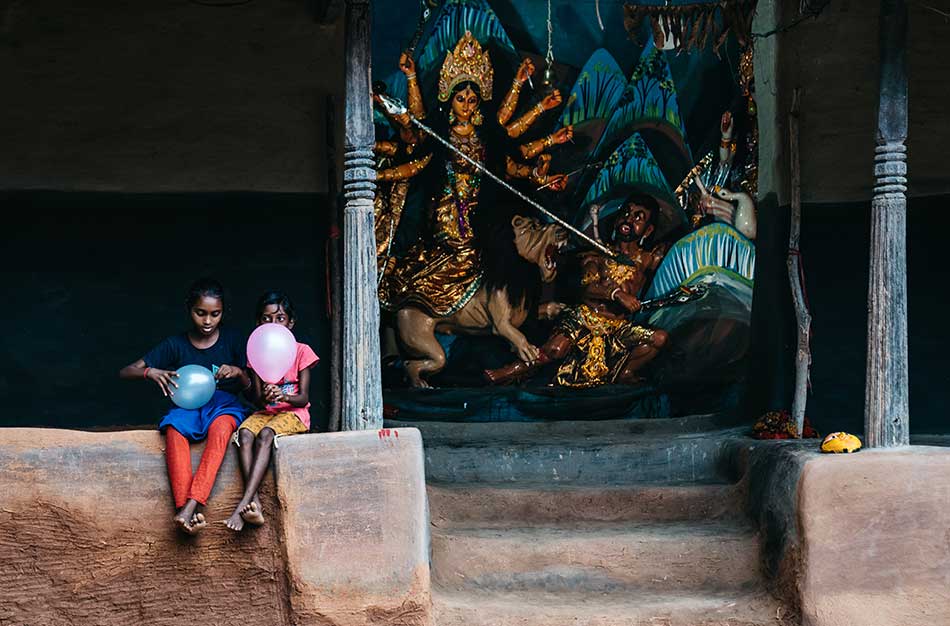
While most photographers arrive in Kolkata for the main Puja days), being in Purulia during the preparation period reveals the craftsmanship behind the festival. Watching idols being painted and decorated, seeing how communities transform simple village spaces into temporary temples, documenting the collaborative effort that goes into these celebrations - this is content you simply cannot get in Kolkata's beautiful but over organized pandal circuits.
Light and Landscape
The visual contrast between urban and rural Durga Puja is profound. In Purulia, you're working with natural light, open spaces, and backgrounds that include hills, agricultural land, and traditional architecture. The golden hour here isn't competing with concrete and traffic; it's illuminating mud walls, hand-painted idols, and landscapes that give your images a sense of place impossible to achieve in city settings.
Cultural Authenticity
There's no performance for cameras here. Villages celebrate Durga Puja for themselves, not for tourism. This means your documentation captures genuine devotion, real community dynamics, and moments that haven't been staged or repeated for the hundredth photographer that day. The expressions are real. The interactions are unscripted. The festival unfolds on its own terms.
Tribal Influence
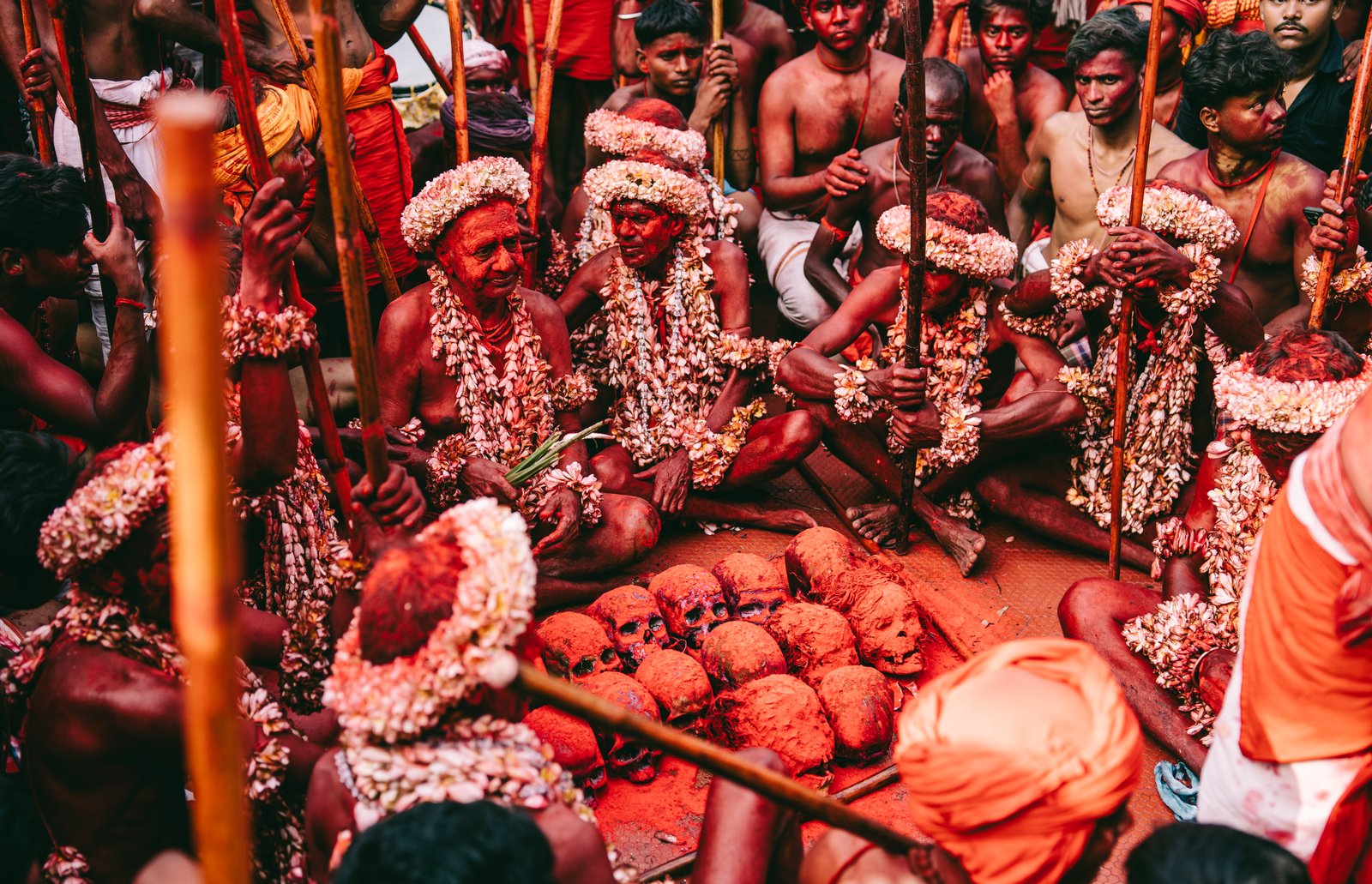
The Santhal communities in Purulia bring their own traditions into the Durga Puja celebrations, creating a cultural blend that's specific to this region. This isn't something you'll find documented extensively online; it's not part of the West Bengal tourism narrative. Which means you're photographing something relatively undocumented, something that still has the power to surprise viewers who think they know what Indian festivals look like.
The Reality: Why Local Connections Matter
Here's what guidebooks won't tell you: Purulia during Durga Puja is extraordinary, but it's not accessible in the way travelers typically approach India.
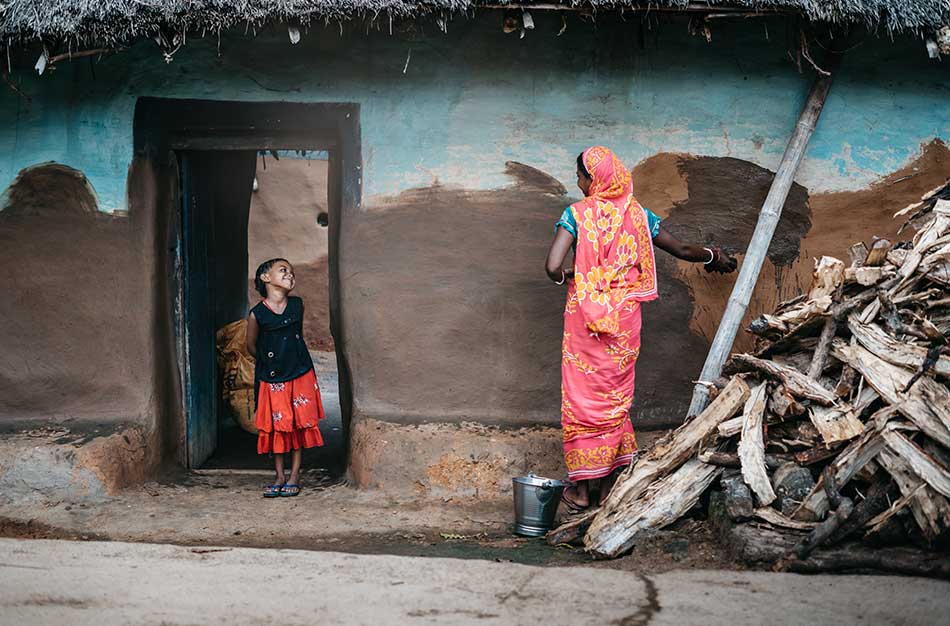
The villages where the most interesting celebrations happen aren't on tourist maps. They're scattered across the district in locations you won't find through standard travel research. Language barriers are real - English is rare, and even Hindi isn't universally spoken in areas where Santali and Bengali dominate. Finding accommodations, navigating between villages, understanding which communities welcome photographers and which prefer privacy- these aren't details you can figure out on arrival.
This is where local connections become essential. When I documented Durga Puja in Purulia, I worked with photographers from Kolkata - Arpan and Jeet - who know the region intimately. They understand which villages to visit, which families have been involved in Puja preparations for generations, and how to approach community celebrations with appropriate cultural sensitivity. They speak the languages, navigate the roads, and provide access that would be nearly impossible to arrange independently.
But here's what matters more than logistics: traveling with people who are from the region means you're not just extracting images; you're participating appropriately. You understand when to photograph, when to put the camera down, how to engage with people respectfully. This distinction - between tourism and genuine cultural exchange - is what makes the experience valuable rather than extractive.
And contrary to what "off the beaten path" sometimes implies, Purulia isn't unsafe. In fact, it's remarkably welcoming. I didn't experience a single uncomfortable moment across multiple villages. The region is clean, the people are genuinely hospitable, and there's a palpable appreciation when visitors show interest in their culture and festivals. They're not jaded by mass tourism because mass tourism hasn't reached here yet. That openness, that genuine warmth - it's what makes the photography possible.
Practical Information
When to Visit
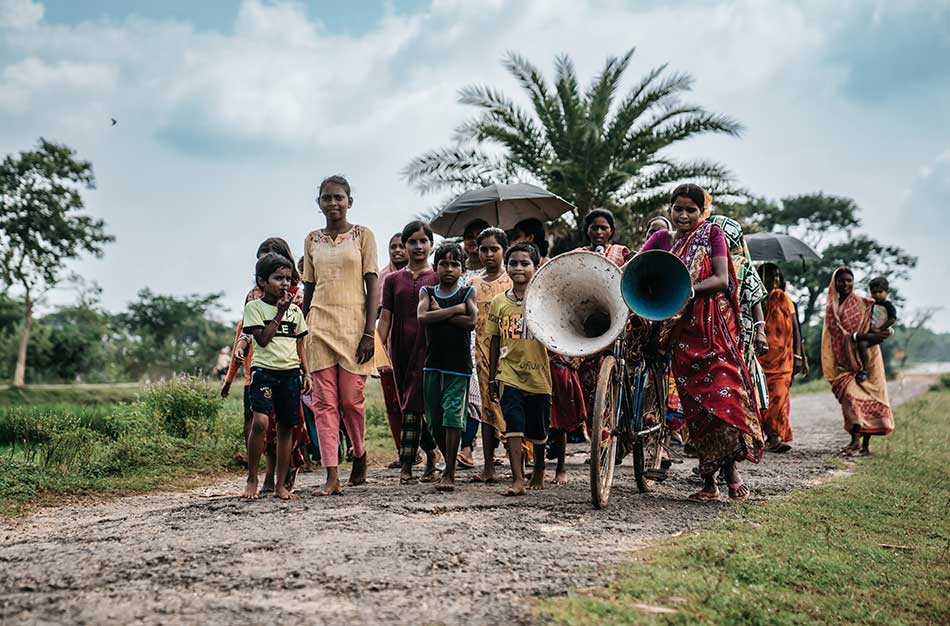
Durga Puja dates vary annually based on the lunar calendar, typically falling in September or October. The preparation phase - when you'll witness idol decoration and initial celebrations - begins several days before the main festival. For photographers, this earlier period often provides better access and more intimate moments than the peak festival days.
Getting There
Purulia district is approximately 300 kilometers west of Kolkata. The journey involves several hours of driving through rural West Bengal, with the last portion on roads that require local knowledge to navigate efficiently. While theoretically possible to arrange independently, the logistics favor traveling with someone familiar with the region..
What to Bring
Beyond standard photography equipment, pack for rural conditions: comfortable walking shoes for village terrain, respectful clothing for religious sites, and backup power solutions as electricity can be intermittent in remote areas. Most importantly, bring patience and openness - the best images come from building rapport, not rushing through locations.
My Honest Rating:
I don't believe in sugar-coating travel experiences or overselling destinations. If I'm recommending a place, especially one as off-the-beaten-path as Purulia - you deserve to know exactly what you're getting into.
Consider this my service to you: a completely honest assessment based on actual experience, not tourism board promises.
PURULIA DURGA PUJA RATINGS
★★★★★ Photography Opportunities
Authentic preparation phases, village celebrations with stunning landscapes, no crowds competing for angles. This is what travel photography is supposed to be.
★★★★★ Vibe & Atmosphere
Intimate, genuine, unhurried. You're witnessing real devotion, not performance.
★★ Accessibility
Villages are remote, language barriers are real, roads require local knowledge.
★★★★ Safety & Hospitality
Exceptionally safe. Not one uncomfortable moment. Communities are genuinely welcoming and appreciate interest in their culture. But finding a decent restaurant on the way won’t be possible
★★★ Budget
Accommodations are modest, but the investment in proper guidance makes the difference between visiting and experiencing.
Best For: Photographers seeking authentic cultural documentation and travelers who value depth over Instagram checkpoints.
Experience It Yourself
We organize small group photography tours to West Bengal, focusing on regions and cultural experiences that remain largely undocumented. These aren't standard tourism packages - they're collaborations with local photographers who provide the kind of access and cultural context that makes the difference between taking pictures and creating meaningful work.
For more information about our upcoming photography tours visit our → Guided Photography Tour Pageor to discuss → Bespoke Photography Tours , feel free to reach out through the contact page. Sometimes the best travel experiences are the ones that require a bit more planning - and deliver experiences impossible to find any other way.
About the Author:
Runa Isabel Lindberg is a travel enthusiast who has been sharing her personal journeys through India, Sri Lanka, and Nepal for 17 years. On this website, Beyond Taj Tours, she writes about her favorite travel experiences and the beautiful places she has visited over the years.
This blog is a private collection of personal memories, including photos taken through her own lens and reviews of heritage hotels she has stayed at. Through her stories, she shares her deep love for the region.
Text and photography: © 2026 Credio Digital Media. All rights reserved. No part of this article or images may be reproduced without express written permission. For licensing inquiries, please contact through Beyond Taj Tours.
09 Oct 2026
28 Sep 2026
17 Sep 2026

05 Sep 2026
31 Aug 2026
15 Aug 2026
15 Jul 2026
19 Mar 2026
12 Feb 2026
15 Jan 2026
28 Dec 2025
01 Dec 2025
13 Nov 2025