 November 2025 at Pushkar Camel Fair. Instead of the legendary golden light photographers travel halfway around the world to capture, we got rain. Lots of it. No dust rising from the dunes, no warm evening glow painting the camels, no dramatic silhouettes against amber skies. Just grey clouds and disappointment among a group of photographers who'd planned their shots around those iconic conditions.
Here's what nobody tells you about Pushkar: some of the best portraits happen when the golden hour doesn't show up.
When Bad Light Becomes Good Light
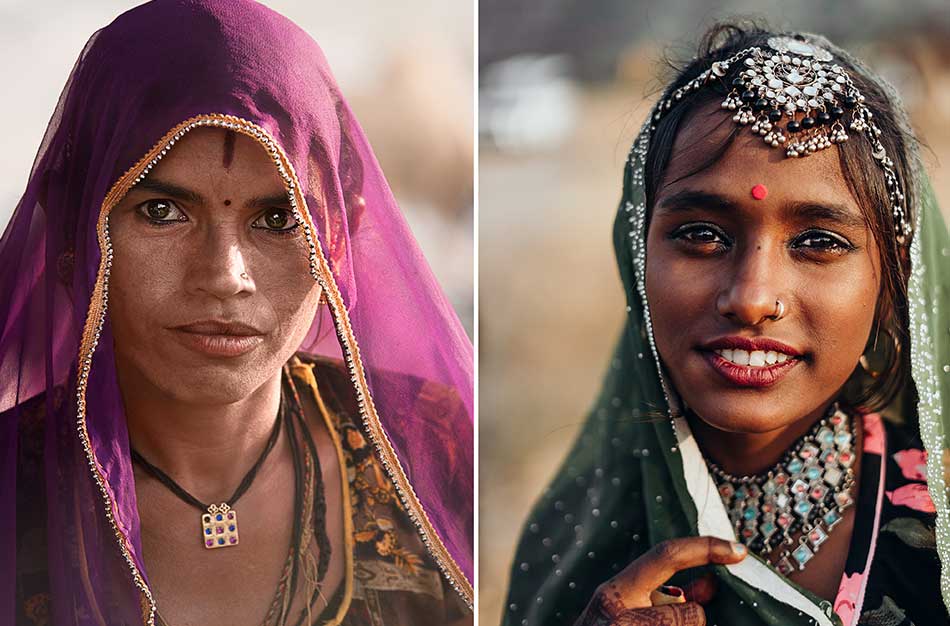
Pushkar isn't just about landscape photography with camels at sunset. The fair brings together people from across Rajasthan - traders, herders, families, performers - all dressed in traditional attire that photographs beautifully. The challenge isn't finding subjects; it's adapting your approach when the weather refuses to cooperate.
Four Portrait Approaches That Actually Worked
1.Overcast Dunes (50mm, f/2.8)
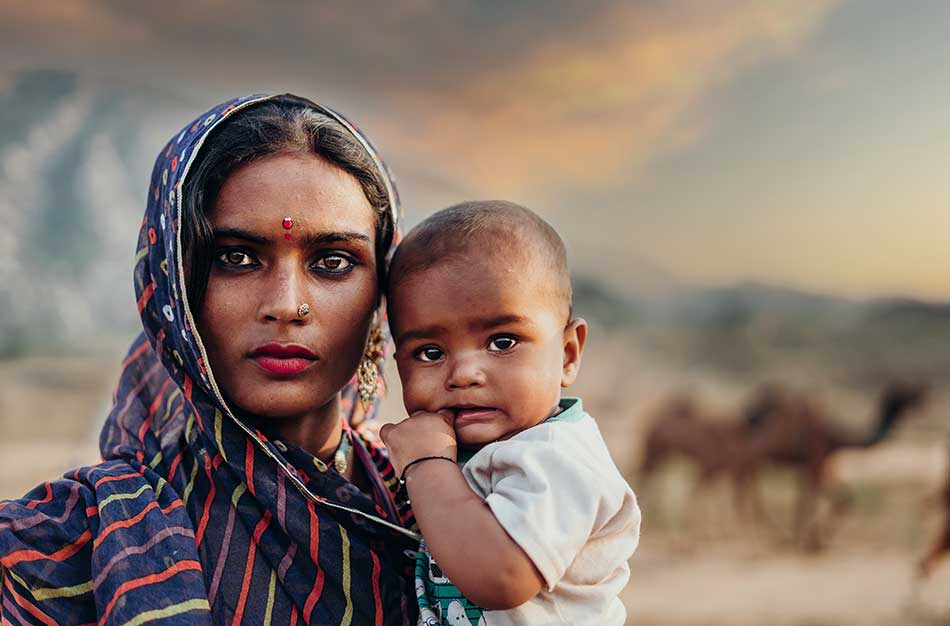
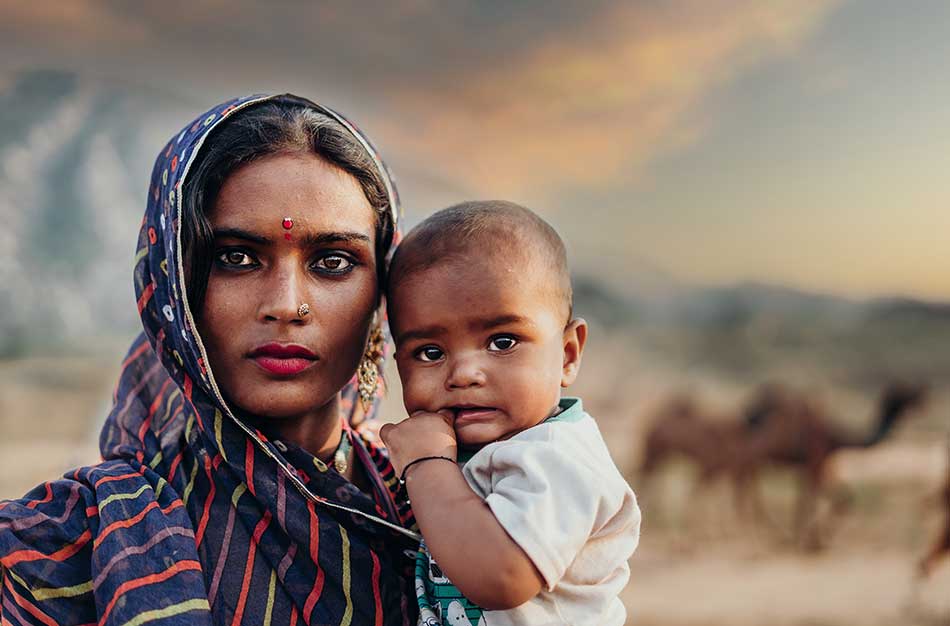
When the clouds rolled in, the soft, diffused light became perfect for portraits. Shot a mother and child in the dunes at f/2.8 - the overcast sky acted as a giant softbox, eliminating harsh shadows while the wide aperture separated them from the camel herds behind. What photographers dismiss as "bad light" often produces the most flattering skin tones.
2. Motion in the Streets (Slower Shutter Speed)
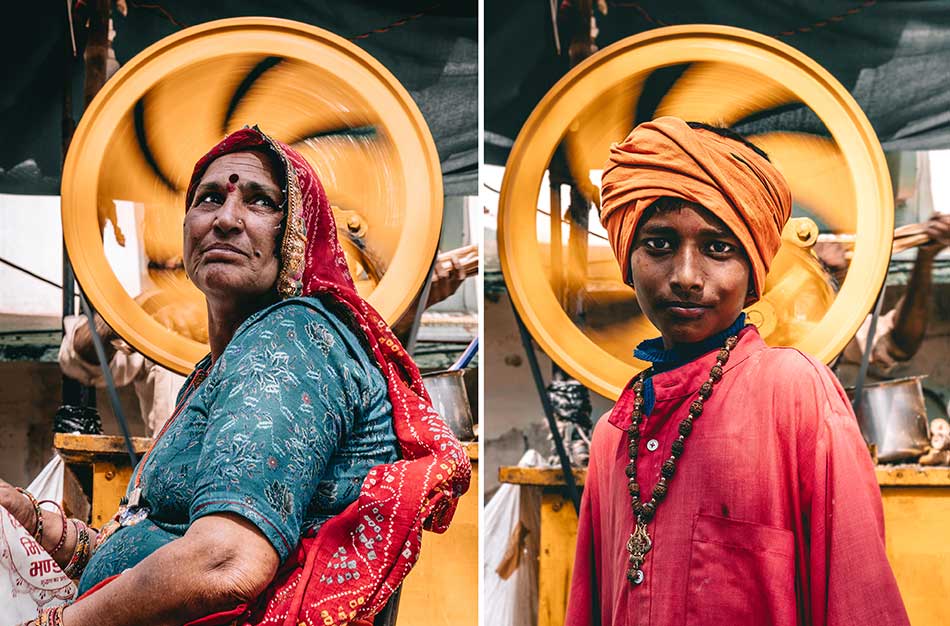 Found a woman and a young boy having juice at a sugarcane press in town. They kindly agreed to pose while the press operator kept working. Slowed the shutter speed to let the press wheel spin into a golden blur while keeping her face tack-sharp. The motion circle adds energy and context without cluttering the frame. Sometimes the background should move.
3. Bring Your Own Color (Colorful Scarf as Background)
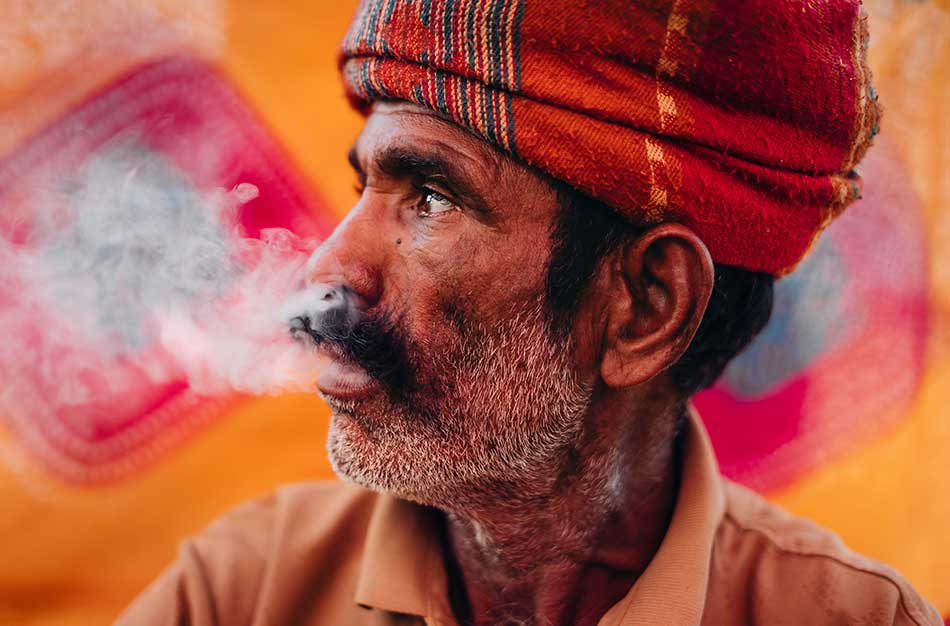 Not every background works. When you find great light but a distracting setting, create your own. Asked someone nearby to hold a colorful scarf for a minute - no problem at all. The subject was happy to pose in front of the warm orange and pink fabric that complemented his red turban perfectly. Afterwards, invited him for tea and biscuits and offered a small tip for his time. Simple solution, professional results, everyone happy.
4. Tea Stall After Dark (“Natural” Light Drama)
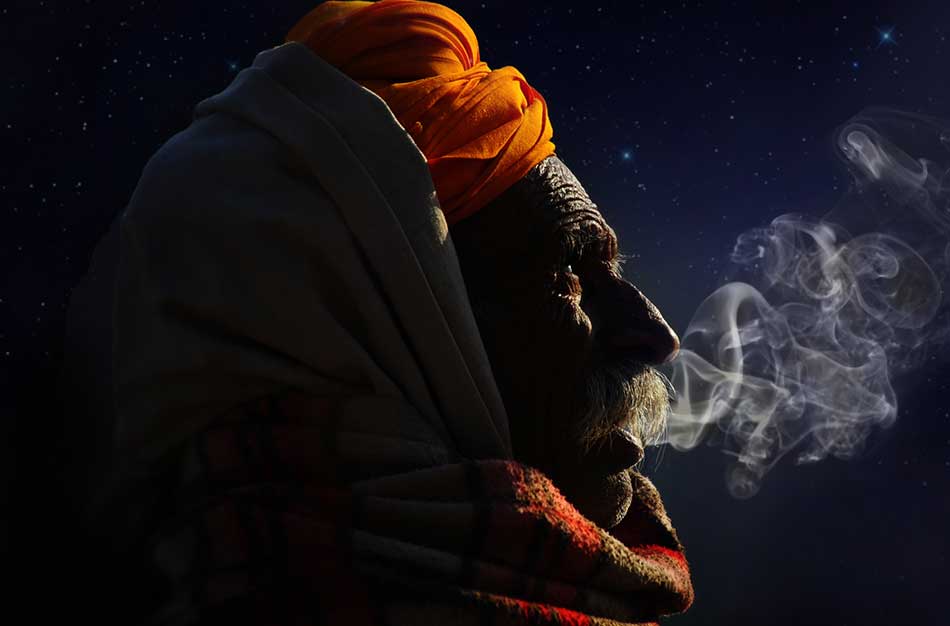 After sunset, most photographers pack up. That's when tea stalls light up. Found a subject near a stall where the warm artificial light created dramatic side-lighting against the dark sky. Added bonus: his cigarette smoke caught the light, creating atmosphere. With the right exposure, the background stars emerged, making it look like a carefully lit studio portrait under open sky. Zero equipment needed beyond the camera.
Beyond the Fairgrounds
The best portrait opportunities aren't always at the main fair site. Walk into Pushkar town - the streets around the sugarcane presses, chai stalls, and small shops offer countless opportunities. People are generally welcoming if you approach respectfully, smile, and ask permission. A few words in Hindi help, but gestures work fine too.
Early morning and late evening in town provide completely different portrait possibilities than midday at the dunes. Different light, different people, different stories.
The Real Lesson
Pushkar Camel Fair offers far more than golden hour landscapes. The photographers who went home disappointed were the ones who couldn't adapt when conditions changed. The ones who stayed flexible - who explored the town, experimented with technique, and shot after dark - returned with diverse, compelling portrait portfolios.
Golden hour is beautiful, but it's not the only hour that counts.
Practical Takeaways:
Pushkar rewards photographers who look beyond the postcard shots. The rain taught us that lesson faster than perfect weather ever would have.
Experience It Yourself
We organize small group photography tours to Pushkar Camel Fair and across Rajasthan, focusing on experiences that go beyond the standard golden hour camel shots. These aren't standard tourism packages - they're collaborations with local photographers who provide the kind of access and cultural context that makes the difference between taking pictures and creating meaningful work.
If you're interested in experiencing Pushkar beyond the fairgrounds or exploring other regions of Rajasthan during festivals and cultural events, we are planning tours for and 2027. The group sizes stay small (never more than 6 photographers), the itineraries prioritize authentic access over tourist attractions, and the focus remains on photography that respects the communities we visit.
For more information about upcoming Rajasthan photography experiences, or to discuss custom itineraries, feel free to reach out through the contact page. Sometimes the best travel experiences are the ones that require a bit more planning - and deliver moments impossible to find any other way.
Know more about our Pushkar Mela & Dev Deepawali Photography Tour 2027
About the Author:
Runa Isabel Lindberg is a travel enthusiast - and co-founder of Beyond Taj - who has been sharing her personal journeys through India, Sri Lanka, and Nepal for 17 years. On this website, she writes about her favorite travel experiences and the beautiful places she has visited over the years.
This blog is a private collection of personal memories, including photos taken through her own lens and reviews of heritage hotels she has stayed at. Through her stories, she shares her deep love for the region.
Text and photography: © 2026 Credio Digital Media. All rights reserved. No part of this article or images may be reproduced without express written permission. For licensing inquiries, please contact through Beyond Taj Tours.
09 Oct 2026
28 Sep 2026
17 Sep 2026

05 Sep 2026
31 Aug 2026
15 Aug 2026
15 Jul 2026
19 Mar 2026
12 Feb 2026
15 Jan 2026
28 Dec 2025
01 Dec 2025
13 Nov 2025